Compressed air systems are critical in many industrial facilities, yet they are often overlooked when it comes to routine maintenance. In fact, compressed air can represent around 10% of industrial electricity consumption, and poor maintenance can significantly increase operating costs.
The good news? Improving performance doesn’t require a complete system overhaul.
It starts with understanding where inefficiencies come from—and how to systematically address them.
Why Maintenance Is More Than Just “Keeping Things Running”
A compressed air system can seem to be working fine—tools run, production continues, and pressure looks stable. But “working” isn’t the same as “optimized.” Over time, small issues build up: minor leaks, slight pressure drops, worn components, or poorly sized connections. Individually, they’re easy to ignore—but together, they reduce performance. This gradual decline is known as system drift. It happens quietly, without alarms, and often goes unnoticed until energy costs rise or reliability starts to suffer.
The Impact of Routine Inspections
Routine compressed air system maintenance does more than keep things running—it helps maintain efficiency, performance, and safety across your entire system, from the network to the tools and equipment that rely on it. By identifying and fixing issues like air leaks or pressure loss early, you can significantly reduce the energy costs associated with producing and distributing compressed air.
Over time, this structured approach also helps extend the life of your equipment and maintain consistent energy efficiency. Instead of reacting to problems as they arise, you shift toward a more proactive, performance-driven approach to system optimization.
|
|
"Most facilities can easily save 10-20% of their compressed air energy costs through routine maintenance such as the fixing of air leaks, lowering air pressure, and replacing clogged filters.”
– Natural Resources Canada, 2015 |
|---|
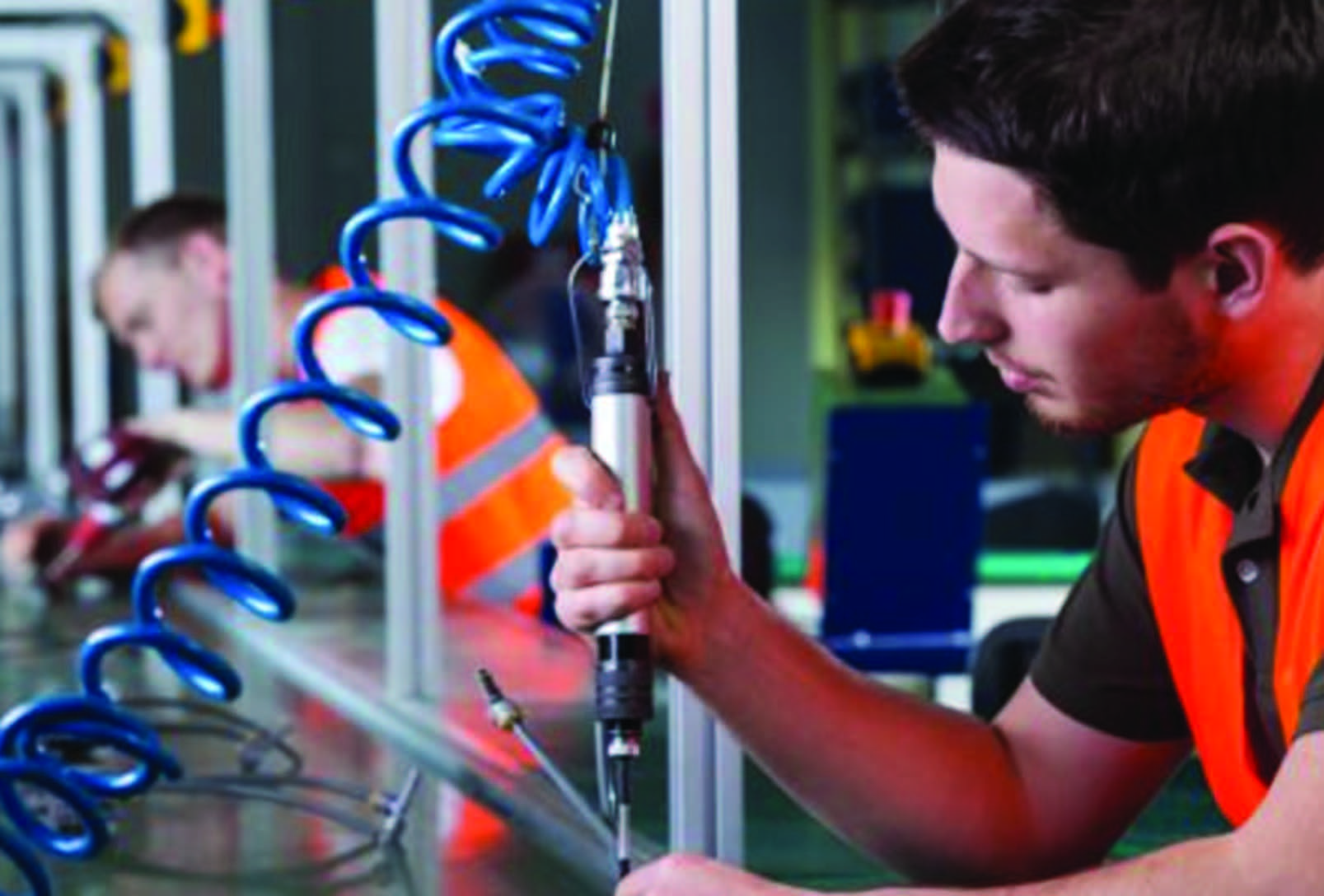
In practice, simple inspection routine can catch issues early, helping you avoid costly problems—without the need for a complete system overhaul.
This guide outlines a 3-step maintenance check that helps maintenance managers improve system efficiency, reliability and safety.
A Smarter Way to Approach Maintenance
Instead of reacting to problems, high-performing facilities take a structured approach.
Our simple and effective method is to break the system up into three key zones:
Step 1 – Inspect the Point of Use
This first step focuses on everything between the pneumatic tools and the compressed air piping system. This is where inefficiencies are most visible—and often most overlooked.
Think:
-
Air tools
-
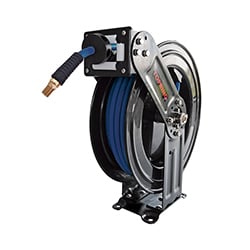
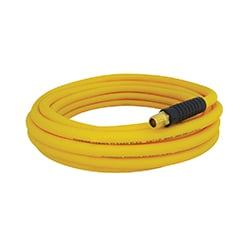
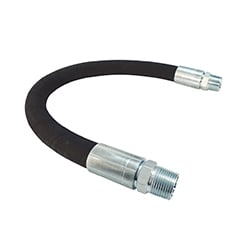
Hoses and reels
-
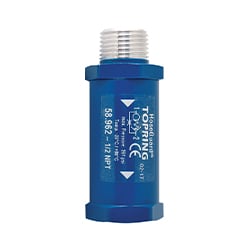
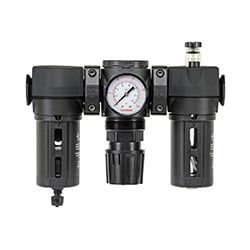
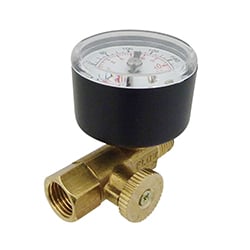
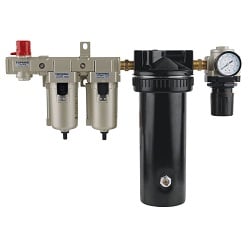
FRL units (filters, regulators, lubricators)
-
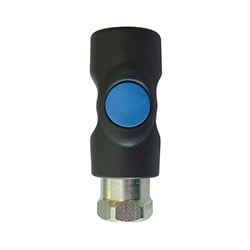
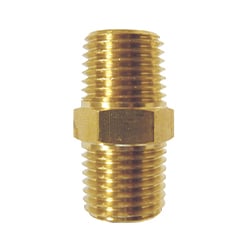
Quick-connect fittings
- This is also where leaks, pressure drops, and worn components directly impact productivity.
Step 2 – Inspect the Main Piping System
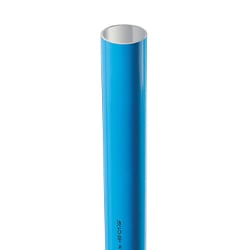
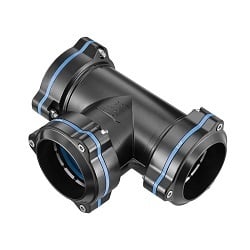
Your compressed air piping plays a critical role in performance. The second step focuses on the distribution network, where maintaining stable pressure and airflow throughout the facility is essential.
Poor design or aging infrastructure can cause:
-
Pressure drops across the system
-
Flow restrictions
-
Moisture accumulation
-
Uneven air delivery
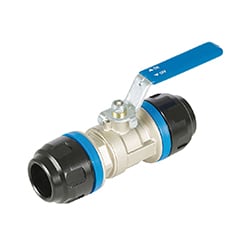
Optimizing pipe diameter, layout (loop systems), and isolation points can significantly improve efficiency.
Step 3 – Inspect Air Treatment at the Compressor
The final step focuses on the heart of your system. Air quality and condensate management at the compressor outlet directly impact system performance and equipment lifespan.
Here, performance depends on:
-
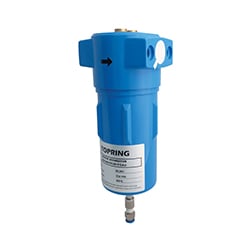
Filtration efficiency
-
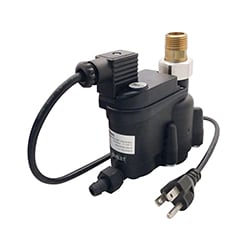
Condensate management
-
Proper drainage
-
Air quality requirement
If this part of the system isn’t optimized, everything downstream is affected.
Before You Start: A Better Way to Evaluate Your System
Before jumping into maintenance, it’s important to take a step back.
A good evaluation starts with:
-
Understanding your system as a whole
-
Identifying what can be handled internally vs. externally
-
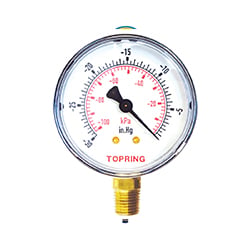
Measuring pressure at key points in the system
For example, comparing pressure at the compressor versus the point of use can quickly reveal hidden losses. A difference of more than 10% often indicates significant inefficiencies.
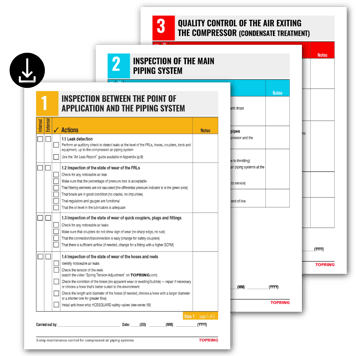
Free Tool: Compressed Air Maintenance Checklist
To help maintenance teams perform these inspections, we created a downloadable maintenance checklist and air leak report that can be used during annual inspections.
Click on the image to download the 3-step checklist:
Need help evaluating your compressed air system?
Even with a structured inspection checklist, identifying the root causes of air leaks, pressure loss or inefficiencies can sometimes require deeper analysis.
A Topring Audit can help uncover hidden issues that impact system performance and operating costs, including:
• Air leaks throughout the network
• Pressure drops between the compressor and the point of use
• Oversized or undersized piping
• Inefficient air treatment or filtration
• Opportunities to reduce compressed air energy consumption