

Your Air System Runs, but is it Optimized?
Compressed air systems rarely fail overnight. Efficiency losses tend to build gradually.
Over time, your system evolves — equipment is added, pressure is adjusted, and air leaks begin to appear.
Individually, these changes seem minor, and production continues without interruption.
But taken together, they lead to a significant drop in energy efficiency and an increase in operating costs.
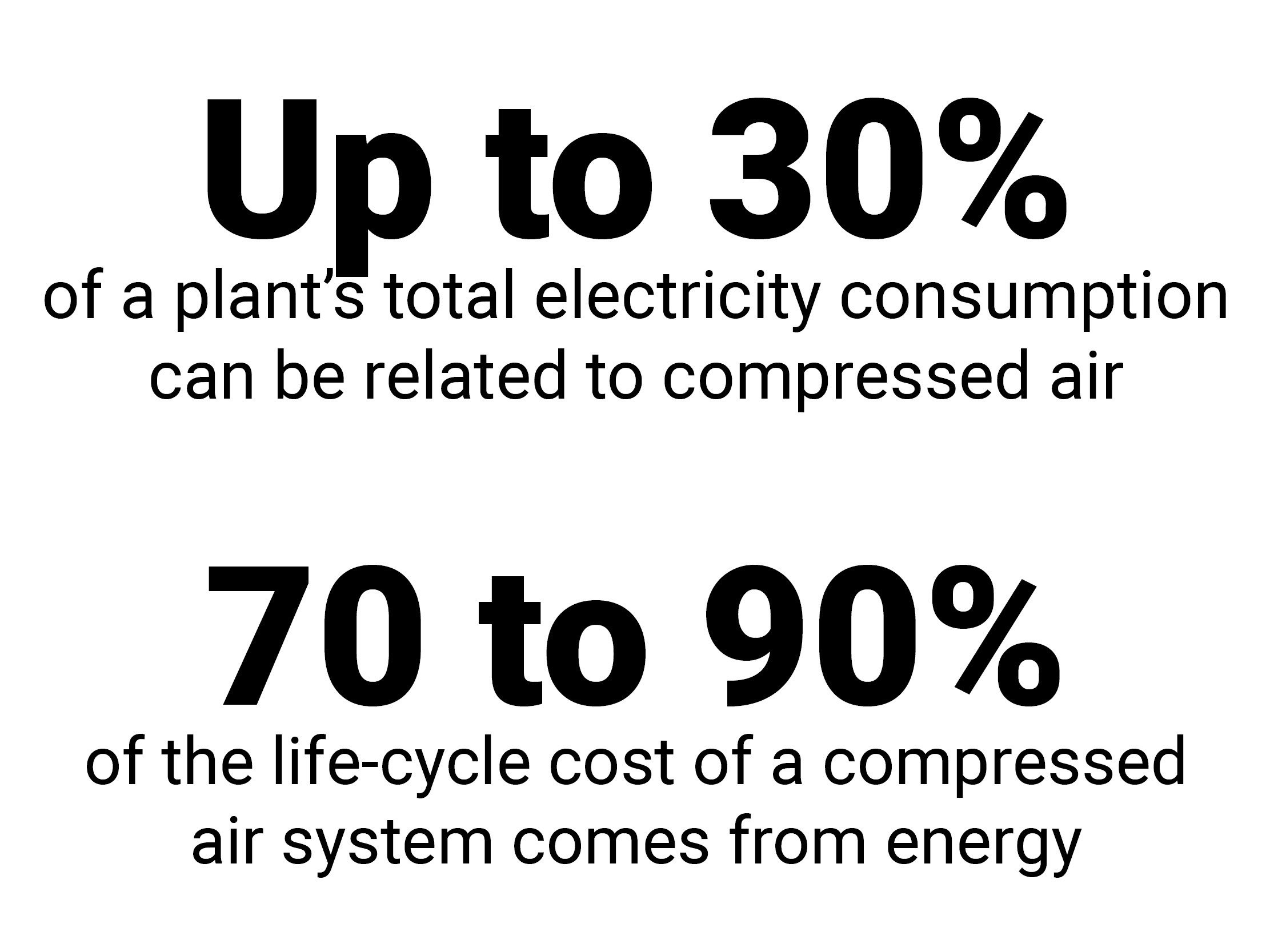
Energy efficiency means achieving the same performance while consuming less energy. In a compressed air network, it is a direct lever to reduce operating costs and support your performance and sustainability objectives.
With rising energy costs, increasing requirements from public utilities, and ESG (Environmental, Social, and Governance) targets, energy efficiency is no longer an option, it is a strategic priority to remain competitive and compliant.
Energy Efficiency: A Strategic Choice

Public utilities — Hydro-Québec, BC Hydro, and Efficiency Manitoba — identify compressed air systems as a priority source of energy savings. Their initiatives complement recognized standards such as ISO 50001 and ISO 14001, as well as ESG objectives adopted by many organizations.

An energy-efficient compressed air network reduces air consumption, improving operating conditions for your equipment, extending its service life, and helping reduce emissions associated with your production.

By lowering energy costs and stabilizing production, energy efficiency improves your margins, strengthens your market position, and helps enhance your reputation with customers.

Sources of Energy Loss
In a compressed air network, several factors can compromise energy efficiency and lead to significant losses:
-
Air leaks (20 to 40% of losses in a non-optimized system)
-
Degraded or corroded piping
-
Pressure drops caused by improper sizing
-
Inefficient components
-
Lack of preventive maintenance
The Benefits of an Optimized Compressed Air Network

By minimizing leaks and pressure losses, your compressor uses less electricity to meet demand.
Stable pressure and right-sized components reduce unplanned stops and process variability.

A well-designed network minimizes strain on compressors and downstream equipment.
Analyze Your Compressed Air Network to Improve Energy Efficiency
A compressed air network audit evaluates the overall performance of your system. It highlights air losses, pressure drops, and optimization opportunities that directly impact energy efficiency. This analysis helps you prioritize actions and improve system performance over time.

Comprehensive Support to Optimize Your System
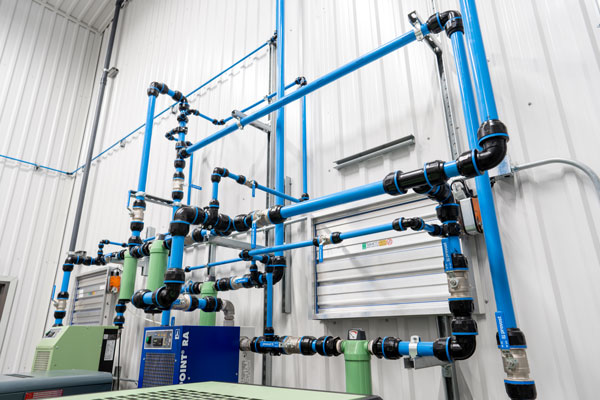
The Most Advanced Compressed Air Network
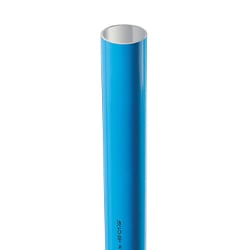
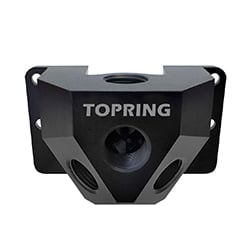
The Topring piping system combines lightweight design, durability, and performance. Its aluminum construction—resistant to corrosion, UV exposure, and heat—paired with a leak-tight, non-restrictive connection system, helps reduce losses, stabilize pressure, and simplify installation. Flexible and scalable, it is perfectly suited for both new compressed air networks and modifications to existing systems.
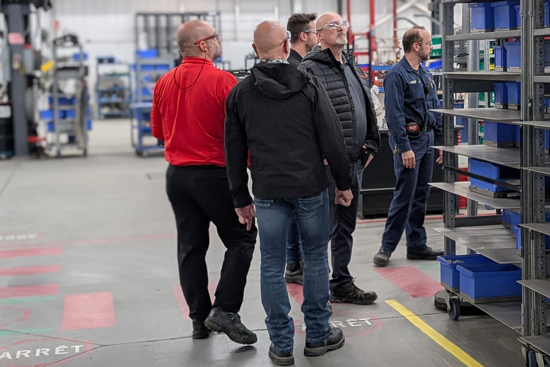
Personalized Support for Your Projects
Our teams work closely together to support you at every stage of your projects. This collaborative approach ensures consistent follow-up, efficient implementation, and long-term reliability of your compressed air network.

Products Designed to Support an Effective Strategy
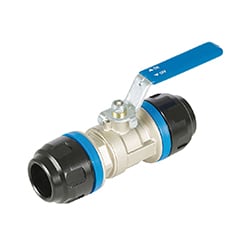
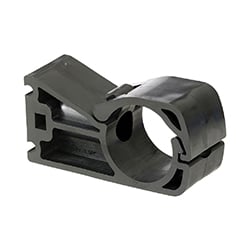
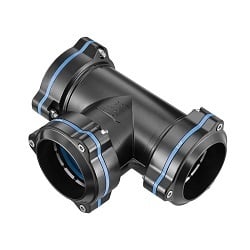
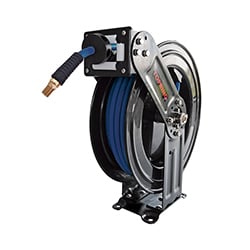
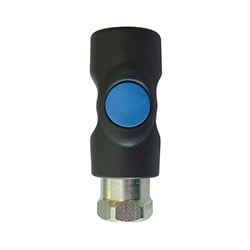
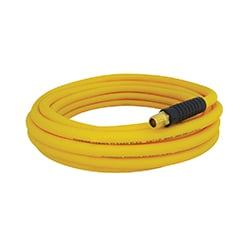
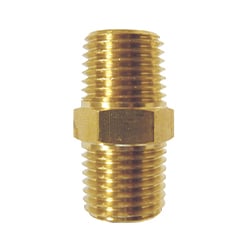
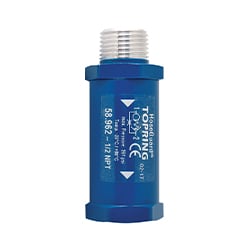
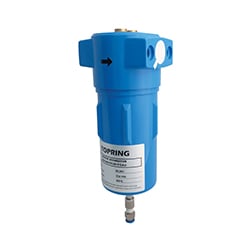
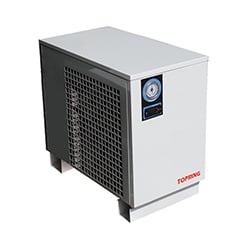
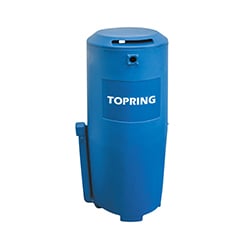
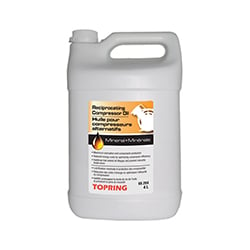
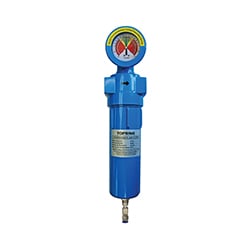
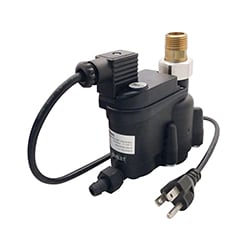
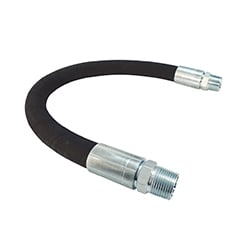
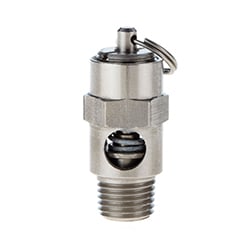
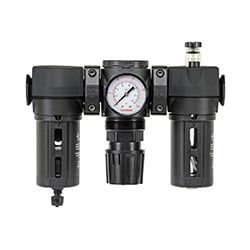
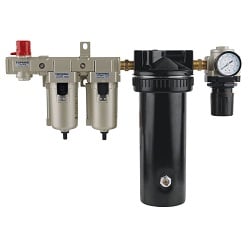
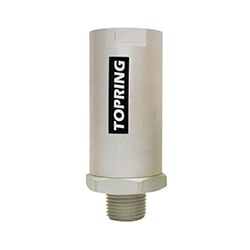
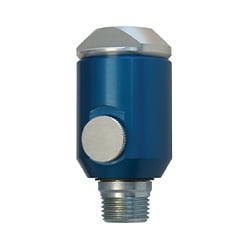
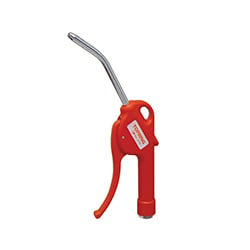
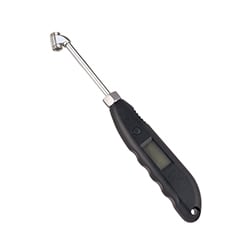
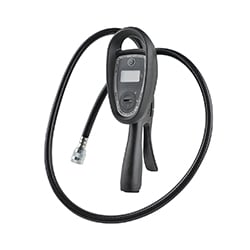
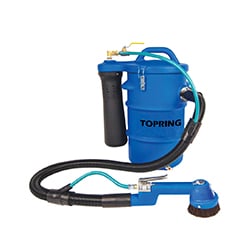
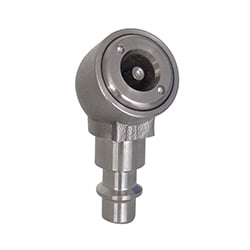
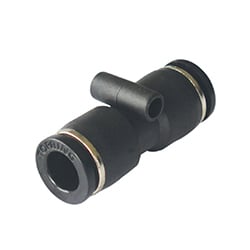
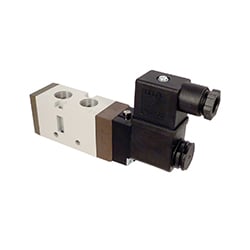
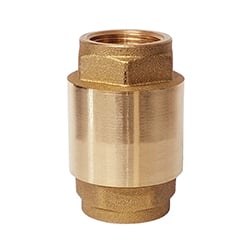
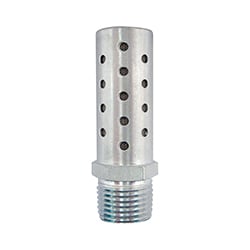
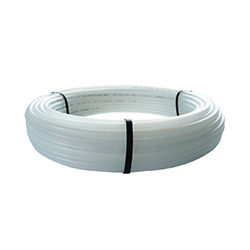
Energy efficiency starts with a well-defined compressed air management strategy. Topring's solutions—including leak-free piping, high-efficiency products, and properly sized components—are selected to meet the specific requirements of each application, helping optimize network performance and deliver lasting energy savings.